The War Against What Is Rice
 Carlo
0
18시간전
Carlo
0
18시간전
There are instances after i must push myself harder to do more reps and extra units. To be sincere, was doing SAITAMA's physical exercise for a month which is one hundred push ups, a hundred sit ups, 100 squats (besides jogging as I harm my ankle real bad when I was 15). The outcomes are good but I decided to challenge myself. So "white rice" is dangerous for you as a result of it's processed and had a number of the natural fiber eliminated, that means your physique processes it extremely rapidly like sugar. I realize this is probably a really stupid question for many of you, but I do not understand rice - particularly what's "brown rice" and what's "white rice". Before it's "white rice", it is "brown rice", although, proper? Or is "white rice" a really particular kind of processed rice, and the other weird varieties have about the identical well being advantages as brown rice?
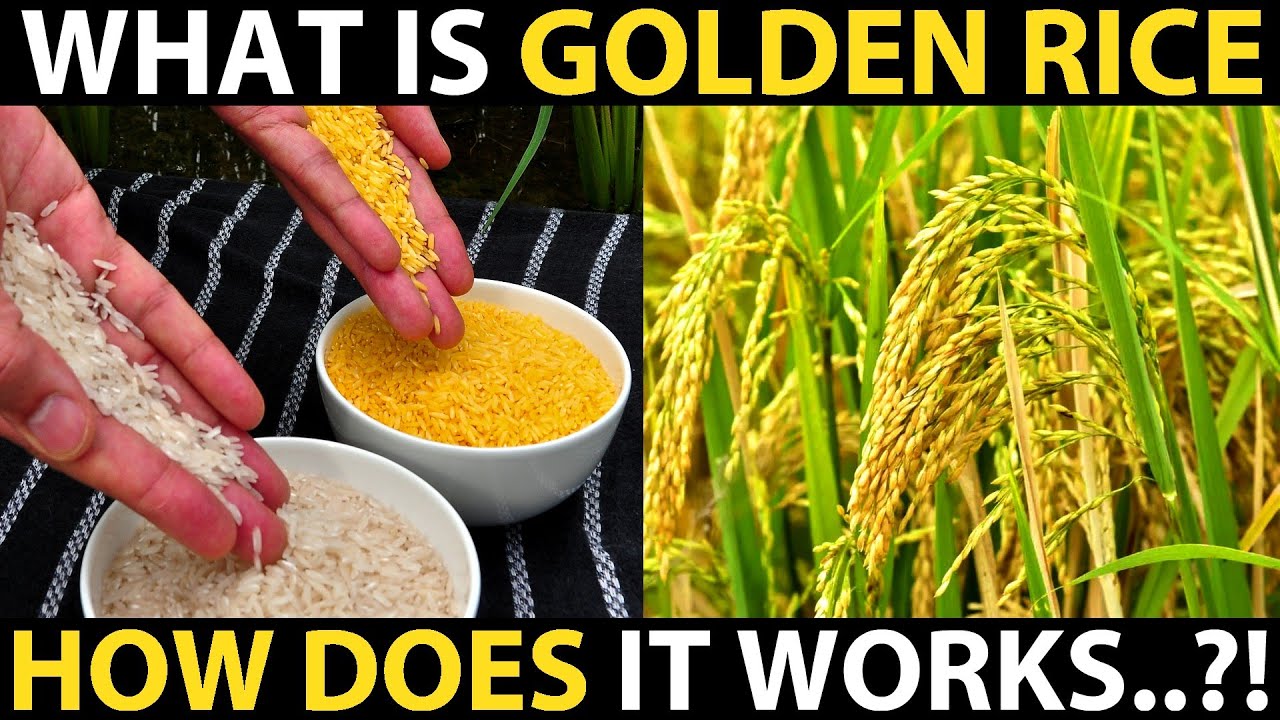 Do those all are available in a "white" and a "brown" version? White rice is just brown rice with the bran and germ layer removed. Do I assume that once i buy a giant bag of "Jasmine rice" that it's about the identical as "white rice"? But what about Jasmine rice or Jade Pearl Rice or all of those other loopy rice varieties that exist? A grass that produces a flower and a grain, the domestication and annual planting of rice initially occurred within the Pearl River Valley region of China, along the mid-Yangtze River. It's a small semiaquatic grass, comprised of a principal stem and a number of tillers, or shoots, that produce either a flower or panicle. The panicle, which bears the fruit (on this case, the rice grain), pushes via the leaves and as it absolutely emerges, produces a flower that can be pollinated. The rice plant, whereas hearty, only produces a crop once in areas with abundant water. Wet circumstances will see the expansion of the shoot first, in order that oxygen could be provided to the plant, whereas in dry circumstances, roots will emerge in order that the plant could have a healthy provide of water. Now, I'm the one that you will note posting all the things relating to gyms or workout on Instagram (well, I promise to behave and never going overboard).
They have tons of info-graphics, challenges and workout. Then I watch on Youtube on the way you practice at house with out gym gear and thanks to that, there are tons of movies from a professional Fitness Trainer's channel resembling OFFICIALTHENX, Jordan Yeph Fitness, Frank Medrano, Yassin Workout, Rohit Khatri Fitness, ATHLEAN-X and many extra just to call just a few. So, my gym began and hopefully I'll attain my objectives. Now I'm hitting the gym. Our deep relationship with rice dates back to almost 10,000 BCE, where the rice plant that we know even to this day, Oryza sativa, was domesticated from its wild progenitor, Oryza rufipogon. I'll ensure to go to you guys again and read your superior updates like I all the time do. Rice is generally divided into two types of species: Indica (tailored to tropical climates like South-East Asia) and Japonica. Indica varieties are usually characterised by having long, slender grains that stay separate and are fluffy once cooked, while Japonica varieties are smaller, spherical and when cooked are classed as ‘softer’ cooking and are sticky and moist. Stay tuned for next month’s post about the types of rice grains and how rice goes from the seed of the rice plant to the grain you find in your market.
What's in a grain of Rice? The plant is initially germinated from the seeds of unrefined, unprocessed rice. In arid zones, the plant survives as a perennial, producing new tillers following harvesting. Rice plants are evenly dried within the solar following rainy circumstances or after harvest, and are threshed to take away the stems and leaves from the grains. The grains ripen over the following three months, and when ready to harvest, the complete plant is picked from the soil. Roots and shoots sprout from the seed, the order relying on what sort of soil the seed has been planted in. The explanation just isn't as simple as what it seems; I'm into Fitness! It's not that simple if I may say..hahha.. Please seek the advice of with Professional Fitness Trainer that will help you as what it needs to attain in a brief period of time could also be potential. Most cultivated rice comes from either the Oryza sativa, O. glaberrima, or O. rufipogon species. The rice grain is made from three main layers - the hull or husk, the bran and germ, and the inside kernel, or endosperm. Rice bran: Underneath the hull is the bran and germ layer, which is a thin layer of skin which adheres all of it collectively.
