They Were Asked 3 Questions About Crypto Swaps
 Bernice
0
1시간전
Crypto directories have become an essential resource for anyone navigating the rapidly expanding world of blockchain and digital assets. Such platforms serve as comprehensive listings where users can discover exchanges, wallets, tokens, decentralized applications, and other crypto-related services in one place. Rather than searching endlessly across scattered forums and social media channels, investors and enthusiasts can turn to a well-organized directory to find what they need quickly and efficiently. The sheer convenience makes these resources valuable for both newcomers and seasoned participants in the crypto space.
One of the primary functions of a crypto directory is to help users compare different platforms and services side by side. A good directory will often include details such as fees, supported coins, security features, and user reviews. Such transparency allows people to make informed decisions before committing their funds or data to any particular service. Especially for beginners, having access to organized information can mean the difference between a smooth entry into crypto and a frustrating or even costly experience. Directories help democratize information by making it accessible to everyone rather than a select few.
Another major advantage of crypto directories is their role in discovery. The crypto ecosystem is vast, with thousands of projects launching every year. Without an organized listing, many legitimate and promising projects would go unnoticed. Directories give visibility to smaller or newer ventures that might otherwise struggle to reach an audience. For project creators, being listed in a reputable directory can significantly boost credibility and drive traffic. It serves as a stamp of approval, signaling to potential users that the project has met certain listing standards.
Trust and security are recurring concerns in the crypto world, and directories play a part in addressing them. A number of directories require verification before accepting a listing, which can weed out obvious scams or low-quality offerings. Review systems from users add another layer of accountability, allowing the community to flag problematic services. While no listing site can ensure total security, these platforms contribute to a more transparent environment where bad actors have a harder time operating in the shadows. Users who leverage directories carefully tend to be better protected than those who stumble blindly into unknown platforms.
It's worth noting that crypto directories are not without their limitations. Being listed doesn't mean being endorsed, and users should always conduct their own research before trusting any platform with their assets. Certain directories might accept paid listings, which can blur the line between organic rankings and sponsored content. Users must remain vigilant and cross-reference information across multiple sources. Critical thinking remains essential regardless of how polished a directory listing might appear.
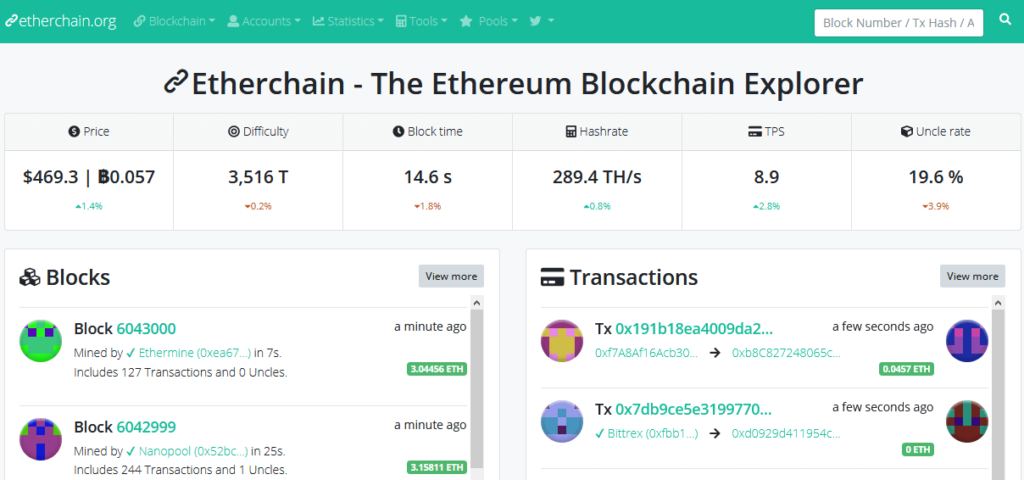 The outlook for crypto directories looks promising as the industry continues to mature. As regulations evolve and adoption expands, the demand for reliable, well-organized information will only intensify. Directories that focus on accuracy, transparency, and community feedback will likely thrive, while those that cut corners may lose credibility. Integration with complementary services such as portfolio trackers, tax software, and educational resources could further enhance their value. In a sense, crypto directories are evolving from simple link lists into full-fledged information hubs that support the entire user journey.
In conclusion, crypto directories serve a vital function in the blockchain explorers ecosystem by organizing information, enhancing discovery, promoting transparency, and supporting informed decision-making. They aren't a substitute for doing your own homework, but they are an indispensable starting point for anyone looking to explore the world of digital assets. Whether you are a curious newcomer or a veteran trader, these platforms can save time, reduce risk, and connect you with the right tools and services. As the crypto world keeps expanding, the role of well-curated directories will only become more significant.
One of the primary functions of a crypto directory is to help users compare different platforms and services side by side. A good directory will often include details such as fees, supported coins, security features, and user reviews. Such transparency allows people to make informed decisions before committing their funds or data to any particular service. Especially for beginners, having access to organized information can mean the difference between a smooth entry into crypto and a frustrating or even costly experience. Directories help democratize information by making it accessible to everyone rather than a select few.
Another major advantage of crypto directories is their role in discovery. The crypto ecosystem is vast, with thousands of projects launching every year. Without an organized listing, many legitimate and promising projects would go unnoticed. Directories give visibility to smaller or newer ventures that might otherwise struggle to reach an audience. For project creators, being listed in a reputable directory can significantly boost credibility and drive traffic. It serves as a stamp of approval, signaling to potential users that the project has met certain listing standards.
Trust and security are recurring concerns in the crypto world, and directories play a part in addressing them. A number of directories require verification before accepting a listing, which can weed out obvious scams or low-quality offerings. Review systems from users add another layer of accountability, allowing the community to flag problematic services. While no listing site can ensure total security, these platforms contribute to a more transparent environment where bad actors have a harder time operating in the shadows. Users who leverage directories carefully tend to be better protected than those who stumble blindly into unknown platforms.
It's worth noting that crypto directories are not without their limitations. Being listed doesn't mean being endorsed, and users should always conduct their own research before trusting any platform with their assets. Certain directories might accept paid listings, which can blur the line between organic rankings and sponsored content. Users must remain vigilant and cross-reference information across multiple sources. Critical thinking remains essential regardless of how polished a directory listing might appear.
The outlook for crypto directories looks promising as the industry continues to mature. As regulations evolve and adoption expands, the demand for reliable, well-organized information will only intensify. Directories that focus on accuracy, transparency, and community feedback will likely thrive, while those that cut corners may lose credibility. Integration with complementary services such as portfolio trackers, tax software, and educational resources could further enhance their value. In a sense, crypto directories are evolving from simple link lists into full-fledged information hubs that support the entire user journey.In conclusion, crypto directories serve a vital function in the blockchain explorers ecosystem by organizing information, enhancing discovery, promoting transparency, and supporting informed decision-making. They aren't a substitute for doing your own homework, but they are an indispensable starting point for anyone looking to explore the world of digital assets. Whether you are a curious newcomer or a veteran trader, these platforms can save time, reduce risk, and connect you with the right tools and services. As the crypto world keeps expanding, the role of well-curated directories will only become more significant.
